%2Ffit-in%2F250x250%2Fguide_websites%2F132801%2Fimages%2F1778036685129catchinhellsportfishing.png&w=1920&q=100)
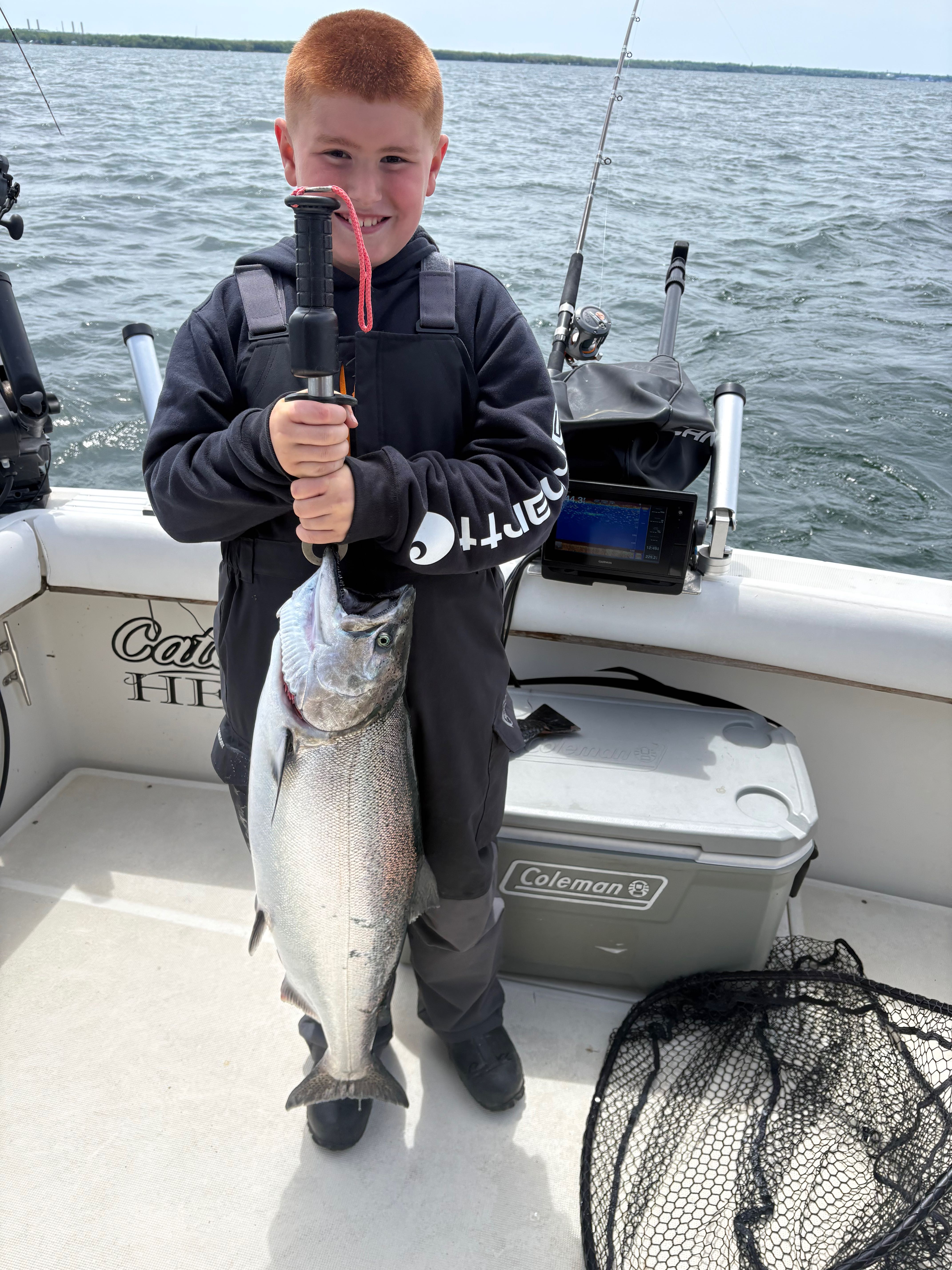
Atlantic Salmon Caught in Mexico NY Fishing Charter
Atlantic Salmon Fishing in Mexico, NY - What to Expect
%2F%2Fusers%2F8c5637ce-8e13-42e1-8390-541fa8d082dc%2Fimages%2Fatlantic-salmon-mexico-ny-fishing-2614.jpg&w=1920&q=75)
Fishing Charter by Captain Catchin Hell Sport Fishing in May
Meet your Captain Catchin Hell Sport Fishing
- Catchin Hell Sport Fishing: Lake Ontario Charters


Summary
Landing an Atlantic salmon on a fishing charter in Mexico, NY delivers the kind of memorable moment that defines a great day on the water. With Catchin Hell Sport Fishing, you'll target this powerful species in prime conditions, combining local expertise with genuine pursuit of one of freshwater's most rewarding fish.
Fishing Charter with Catchin Hell Sport Fishing - Rates & Booking
Captain with Catchin Hell Sport Fishing of Mexico, NY delivered on a Tuesday in May, bringing guests face-to-face with Atlantic salmon in their element. This fishing charter puts you on the water with a guide who understands the local conditions and where these fish hold. When you book with Catchin Hell, you're investing in local knowledge and proven success on the water. To reserve your charter and check current rates, contact Catchin Hell Sport Fishing directly for availability and package details.
Highlights of Atlantic Salmon Fishing
Atlantic salmon represent one of freshwater's most prized catches, and landing one is the kind of experience that stays with you. The moment when line tension tells you a salmon has committed, followed by explosive runs and acrobatic jumps, defines what makes this fishery special. Mexico, NY offers solid opportunities for consistent action, and having a captain who knows the patterns and seasonal movements makes all the difference in your success rate.
The visual thrill of seeing a silver-sided Atlantic salmon break the surface, the strategic challenge of reading their behavior, and the physical engagement of the fight itself combine into something you won't forget. Whether this is your first Atlantic salmon or you're a seasoned angler, there's always something to learn about these fish and what makes them respond on any given day.
Local Species Insights: Atlantic Salmon
Atlantic salmon are anadromous fish, meaning they're born in freshwater streams but migrate to the ocean to grow before returning to spawn. When they come back to the river system near Mexico, NY, they carry the strength they've built in the Atlantic, making them incredibly powerful fighters. Unlike their Pacific cousins, Atlantic salmon don't feed once they enter freshwater on their spawning run, yet they still strike flies and lures with aggression and territorial instinct.
These fish are built for power. Their streamlined bodies, strong tails, and lateral musculature let them accelerate quickly and maintain long, relentless runs that test your tackle and your patience. Early season fish, like those available in May, tend to be fresher from the ocean with more energy and vigor in their fights. The water conditions matter tremendously - temperature, flow rate, and light all influence how aggressive they'll be on any given day.
What makes Atlantic salmon unique compared to other river fish is their refusal to quit. They don't tire easily, they don't accept defeat gracefully, and they'll use every trick to break free. That's why landing one, as captured in this shot, is genuinely worth celebrating. The skill required to read their holding zones, present the right fly or lure, set the hook properly, and maintain tension through their runs represents the full spectrum of angling craft.
Plan Your Fishing Day
A typical charter with Catchin Hell Sport Fishing puts you on productive water during prime conditions. You'll be working with a captain who actively fishes these same waters, understands current patterns, and knows where salmon are holding based on season and water levels. The early part of your day often involves positioning in likely spots - deeper pools, current seams, and transition zones where salmon rest between running upriver.
Your role as the angler is to stay engaged and ready. Casting, drifting, or stripping flies requires focus and consistency, but it's the kind of active fishing that keeps your mind sharp and your reflexes ready. When a fish hits, everything changes instantly - suddenly you're managing line, rod angle, and the salmon's movements simultaneously. The physical and mental engagement is part of what makes this experience more than just a fishing trip; it's an interactive challenge that demands your full presence.
Fishing in Mexico: Atlantic Salmon
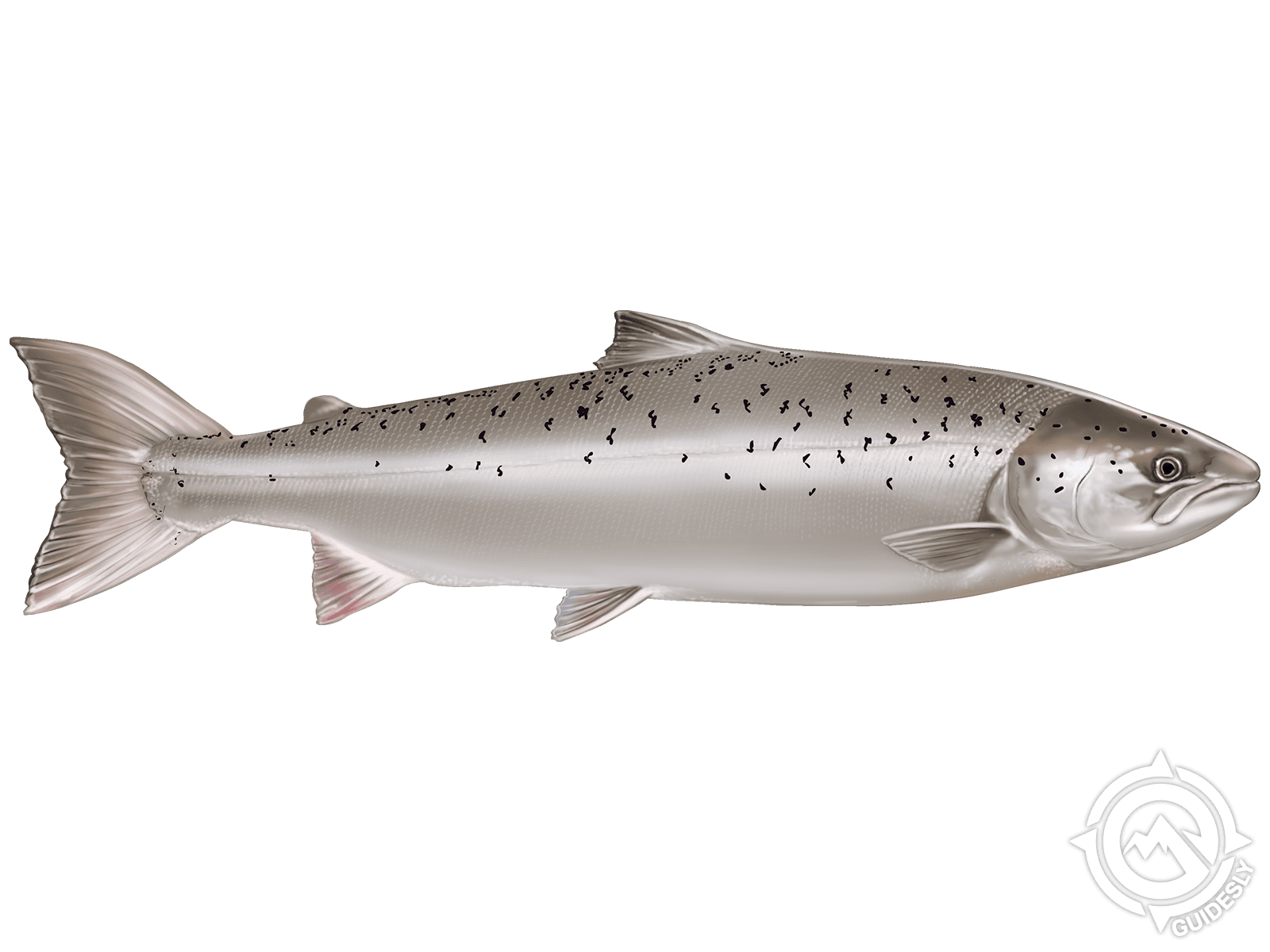
Atlantic Salmon Overview
The Atlantic Salmon (Salmo salar), belonging to the family Salmonidae and order Salmoniformes, is one of the most iconic and sought-after fish species in North America. Distinguished by its sleek, elongated body with a forked tail and relatively small head, this remarkable fish is the only salmon species native to the Atlantic Ocean and the second-largest in the entire salmon family. What makes Atlantic salmon truly special is their anadromous nature—they're born in freshwater rivers and streams, migrate to the ocean to grow and feed for several years, then return to their natal waters to spawn. Unlike their Pacific cousins, Atlantic salmon can spawn multiple times throughout their lives, making them incredibly valuable to both recreational anglers and conservation efforts. In Maine and other northeastern regions, these silvery fighters are considered the king of fish due to their powerful leaping ability and thrilling fight once hooked.
Atlantic Salmon Habitat and Distribution
Atlantic salmon thrive in cold, pristine waters across the North Atlantic. Young salmon are born and spawn in freshwater bodies such as streams, rivers, and lakes throughout New England and the Maritime provinces, where they remain for approximately 2 to 3 years before migrating toward estuaries and finally into the Atlantic Ocean. They spend another 2 to 3 years at sea feeding and growing before the remarkable homing instinct calls them back to their birth water to complete the reproductive cycle. Historically, these magnificent fish were native to almost every river and stream north of the Hudson River in the United States. Sadly, due to habitat destruction, dam construction, and overfishing, most populations in New England have been eradicated. Today, the only native populations of Atlantic salmon remaining in the United States are concentrated in Maine, where dedicated conservation programs work tirelessly to restore and protect these declining stocks. Their distribution map reveals the stark reality of their decline, with thriving populations now limited primarily to Canadian Maritime provinces and Iceland.
Atlantic Salmon Size and Weight
Atlantic salmon typically grow to an average length of 28 to 30 inches, though specimens can range from 24 to 32 inches depending on their time spent at sea and local environmental conditions. Weight generally ranges from 8 to 12 pounds for typical catches, with larger individuals occasionally exceeding these averages. The largest Atlantic salmon tend to be older fish that have spent more time feeding in the nutrient-rich Atlantic waters. Sexual dimorphism is notable during spawning season, with males developing a pronounced hooked jaw called a kype, while females remain more streamlined. Size is often an indicator of age, with most spawning salmon being at least 4 to 6 years old, making each substantial catch a genuinely impressive achievement.
Atlantic Salmon Diet and Behavior
The dietary preferences of Atlantic salmon shift dramatically throughout their lifecycle. Juvenile Atlantic salmon in freshwater streams feed primarily on small insects and amphipods, developing their predatory skills in the cool, clear waters where they were born. Once they reach the ocean as smolts—transformed through a remarkable physiological process called smoltification—their diet expands to include herring, alewife, rainbow smelt, capelin, mummichogs, sand lances, flatfish, and small Atlantic mackerel. This oceanic feeding period allows them to grow rapidly and gain the strength necessary for their eventual upstream migration. During their freshwater spawning migration, however, Atlantic salmon typically cease feeding altogether, relying entirely on stored energy reserves. Behaviorally, these fish are highly intelligent and possess an extraordinary navigation ability, using geomagnetic cues and olfactory memory to locate their home rivers from thousands of miles away in the open ocean.
Atlantic Salmon Spawning and Seasonal Activity
The Atlantic salmon spawning cycle is one of nature's most dramatic migrations. Spawning typically occurs from November through January, with young salmon hatching in April after spending the winter protected in gravel nests. Salmon usually spawn at night, selecting pool ends or gravelly bottoms in their natal rivers. During spawning, males compete fiercely for mating opportunities, their hooked jaws clashing in spectacular battles. After the male fertilizes eggs deposited by females, the eggs are carefully covered to protect them from predators and disturbance. Unlike Pacific salmon, many Atlantic salmon survive spawning and return to the ocean to feed and regain strength, allowing them to spawn again in subsequent years—a remarkable adaptation that sets them apart. This partial repeat breeding capability means that a single Atlantic salmon might contribute to multiple generations of its population, increasing genetic diversity and population resilience.
Atlantic Salmon Techniques for Observation and Capture
Fly Fishing with the Swing Technique: One of the oldest and most effective methods for catching Atlantic salmon is the classic swing technique, still considered the gold standard among experienced anglers. This method involves casting your fly at approximately 45 degrees downstream, then allowing it to swing naturally with the current across the river pool. The fly choice is critical and should match water conditions—use larger flies on cold days and never forget black color patterns in your fly box. The color of your fly should closely match the water color you're fishing; in clear water, use lighter shades of greens and silvers, while darker, more opaque patterns work better in stained or peaty water. Around Maine's famous rivers like the Penobscot and Kennebec, experienced guides swear by this method during spring and fall runs.
Conventional Casting and Spinning: For anglers who prefer conventional tackle, small spoons, spinners, and plugs can be highly effective, particularly in slightly higher water conditions. Cast upstream or across-stream and retrieve with a steady, moderate pace, allowing the lure to wobble and flash in the current. Metal spoons in silver, gold, and copper finishes often provoke strikes from aggressive feeding fish, particularly during prime early morning or evening hours.
Location and Timing Strategy: Success with Atlantic salmon requires fishing the right spots at the right time. Focus on deep pools, current breaks behind large rocks, and the tails of established runs where salmon rest during their upstream migration. Early morning and late evening provide the most productive fishing windows, and water temperature is critical—fish are most active when water temperatures range between 45 and 60 degrees Fahrenheit. Spring (March through May) and fall (August through October) represent the prime fishing seasons in most northeastern rivers.
Atlantic Salmon Culinary and Utilization Notes
Wild Atlantic salmon is widely regarded as an excellent delicacy, commanding premium prices at seafood markets and restaurants worldwide. The flesh is distinctively orange or pink in color, with a rich, buttery flavor profile that reflects the fish's oceanic diet of herring and other forage species. Nutritionally, Atlantic salmon is exceptional, offering high levels of omega-3 fatty acids, lean protein, and essential vitamins and minerals that support cardiovascular health and cognitive function. The meat has a firm yet delicate texture that works beautifully prepared by smoking, grilling, poaching, or pan-searing. However, it's crucial to note that wild Atlantic salmon populations are currently significantly below target population levels due to historical overfishing and habitat loss. In the United States, both commercial and recreational Atlantic salmon fishing is officially listed as endangered, and fishing is currently prohibited. This conservation status makes these fish more valuable as living, breeding populations than as food resources, highlighting the importance of supporting restoration efforts in Maine and other key habitats.
Atlantic Salmon Frequently Asked Questions
Q: What is the best bait or fly for Atlantic salmon?
A: For fly fishing, select patterns that match the water color and season. Classic patterns like the Green Highlander, Rusty Rat, and Blue Charm have proven effective for generations. Use larger flies (size 2-6) in cold water and smaller sizes (8-10) in warmer conditions. If using conventional tackle, small silver or gold spoons cast upstream work exceptionally well.
Q: Where can I find Atlantic salmon near Maine and other New England locations?
A: The Penobscot River, Kennebec River, and Narraguagus River in Maine represent your best opportunities for encountering wild Atlantic salmon in the United States. These rivers receive regular stocking efforts and natural runs, making them prime destinations for anglers. Always check current regulations and consult with local guide services, as some areas may be catch-and-release only.
Q: Is Atlantic salmon good to eat, and is it sustainable to harvest?
A: Wild Atlantic salmon is excellent eating with rich, nutritious flesh. However, wild populations are critically endangered, and recreational fishing is currently prohibited in the United States. If you wish to enjoy Atlantic salmon, consider responsibly farmed options instead, which allows wild populations the opportunity to recover without additional harvest pressure.
Q: When is the best time to observe or catch Atlantic salmon?
A: Spring (March through May) and fall (August through October) represent the peak fishing seasons when salmon are actively migrating upstream. Fish are most active during early morning hours and late evening, and water temperature should ideally be between 45 and 60 degrees Fahrenheit for optimal results and fish behavior.
Q: How does the Atlantic salmon's homing ability work?
A: Juvenile Atlantic salmon undergo a remarkable transformation called smoltification, during which they develop an internal homing beacon. This process involves imprinting their natal stream's unique chemical signature, combined with geomagnetic navigation abilities that allow them to traverse thousands of miles of open ocean and unerringly return to spawn in the exact river where they were born.
Q: Why are Atlantic salmon populations so depleted, and what's being done to help?
A: Historical overfishing, habitat destruction from dam construction, pollution, and climate change have devastated wild Atlantic salmon populations. Today, extensive restoration efforts in Maine and Canada focus on dam removal, habitat restoration, hatchery programs, and strict fishing regulations. Supporting conservation organizations dedicated to Atlantic salmon restoration directly contributes to these critical recovery efforts.